
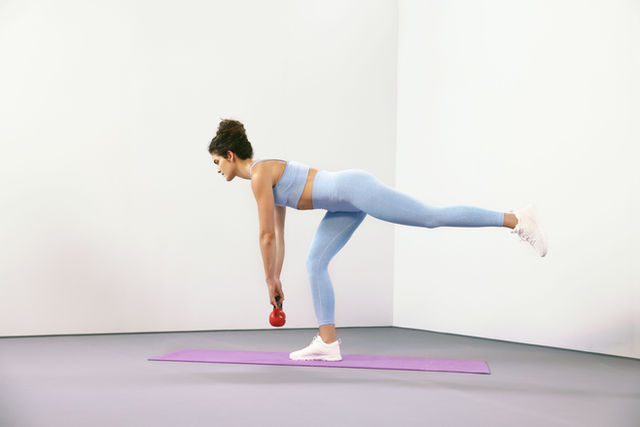
Living with pain can make movement feel risky and overwhelming. When pain is present, especially chronic regional pain or radiculopathy, it’s natural to hesitate before moving. Yet, avoiding movement can weaken muscles, reduce stability, and increase fear around physical activity. Here’s how you can build strength and stability gradually, even while managing pain, so you regain confidence in your body and improve your quality of life.

Understand the Connection Between Pain and Movement
Pain and movement often feel like enemies, but they don’t have to be. Pain is your body’s way of signalling something is wrong, but it doesn’t always mean you must stop moving. Exercise rehabilitation is a key part of pain management and pain education. Learning how to move safely despite pain can reduce sensitivity and improve function.
If you have chronic regional pain or radiculopathy, your nerves and muscles might feel sensitive or weak. Avoiding movement can cause muscles to atrophy and joints to stiffen, which makes pain worse over time. Instead, moving with care and purpose helps maintain strength and stability.
Start Small and Build Slowly
If you’re new to exercising with pain, start with very basic movements. The goal is not to push through pain but to move within a comfortable range.
- Choose simple exercises like seated leg lifts, gentle stretches, or supported balance exercises.
- Focus on form rather than intensity. Proper technique protects your body and builds stability.
- Limit sessions to short durations (5 to 10 minutes) and increase gradually.
- Listen to your body and stop if pain worsens significantly.
It’s always advisable to have a pre-screen to check for any serious problems before starting an exercise programme. See our Osteopathy page for more information.
Build Confidence Through Guided Support
One of the biggest challenges with pain and movement is fear. Fear of making pain worse can stop you from trying. That’s why booking a session with a trained professional who understands pain management is invaluable. A physical therapist or exercise rehabilitation specialist can:
- Assess your current movement and pain levels
- Design a personalised exercise plan
- Teach you how to move safely and confidently
- Provide pain advice tailored to your condition
Focus on Stability and Strengthening
Stability is key to moving confidently. When your muscles and joints are stable, you reduce the risk of injury and pain flare-ups. Try these basic stability exercises:
- Core activation: Lie on your back and gently tighten your abdominal muscles without holding your breath.
- Hip bridges: Lie on your back with knees bent and lift your hips slowly, focusing on controlled movement.
- Balance exercises: Stand near a wall and practise shifting your weight from one foot to the other.
Use Pain Education to Change Your Mindset
Understanding pain changes how you experience it. Pain education teaches that pain does not always mean damage. Learning that chronic regional pain can involve nerve sensitivity rather than ongoing injury helps you trust your body more. When you know that gentle movement can calm nerves and improve function, you’re more likely to stay active.
Track Your Progress and Celebrate Wins
Keeping a simple journal of your exercises and how you feel afterward can motivate you. Note improvements in strength, stability, or confidence, even if pain is still present. Celebrate small wins — holding a balance pose for a few seconds longer, increasing the number of repetitions, or feeling less stiffness after movement. Tracking progress reminds you that movement is helping, even if pain doesn’t disappear immediately.
Final Thoughts
Moving with pain is challenging but possible. The key is to start small, focus on stability and strength, and seek professional guidance. With the right approach, you can build confidence, reduce fear, and improve your function.
Feel free to book in for an in-clinic or virtual online exercise consult.

Leave a Reply