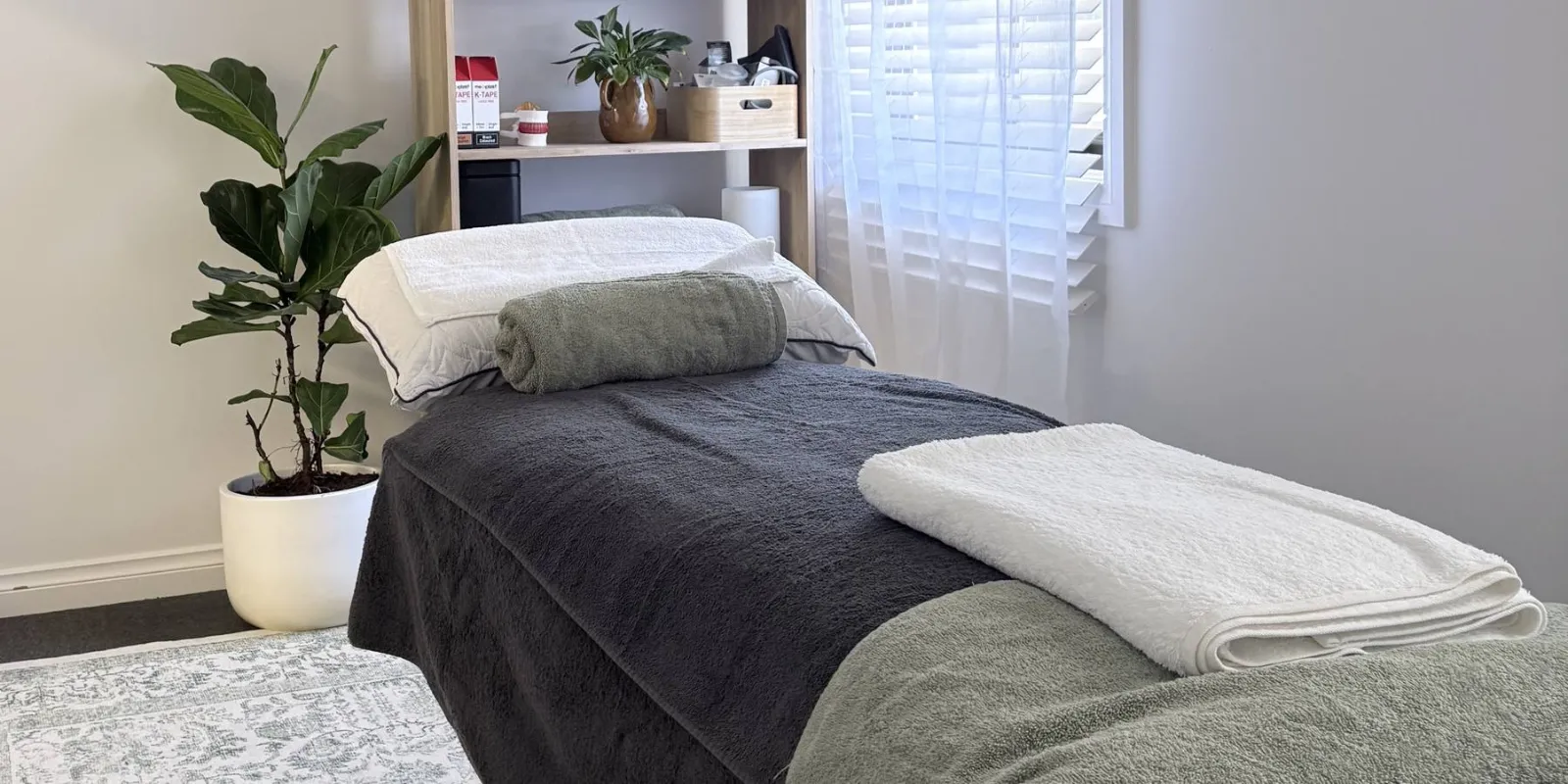
Remedial massage uses targeted soft tissue therapy and massage to help with aches, pains and stiffness of the body — using stretching, joint range of motion movements and light lymphatic techniques to support your body.
Our clinic in Flinders sees clientele from Red Hill, Shoreham, Cape Schanck, Somers, Merricks, Balnarring and across the Mornington Peninsula.
What is Remedial Massage?
Remedial massage is a hands-on treatment designed to help reduce muscle tension, improve mobility and support recovery from everyday activities, work demands, sport and exercise. Whether you are experiencing persistent neck pain, lower back discomfort, headaches, tight shoulders or general muscular tension, treatment is tailored to your individual needs and goals.
At Flinders Health and Wellness Clinic, we take the time to understand what is contributing to your symptoms before providing treatment. Our approach combines targeted soft tissue techniques with practical advice to help you move more comfortably and return to the activities that matter most.
Remedial massage is delivered by an ATMS-registered therapist following a thorough assessment.

What Can Remedial Massage Help?
Back Pain Massage
Back pain is one of the most common reasons people seek massage therapy. Muscle tension, prolonged sitting, physical work, gym training and everyday stress can all contribute to discomfort and stiffness.
Massage therapy for back pain may help:
- Reduce muscle tension
- Improve mobility
- Support recovery from physical strain
- Improve comfort with daily activities
Common presentations include: lower back pain, mid back pain, thoracic stiffness, muscle spasms and persistent back tension.
Neck Pain and Stiff Neck Treatment
Modern lifestyles place significant stress on the neck and shoulders. Long periods of computer work, driving, mobile phone use and stress can lead to tight muscles, reduced mobility and ongoing discomfort. Remedial massage aims to release tension throughout the neck, shoulders and upper back while improving flexibility and movement — many patients report feeling less restricted and more comfortable following treatment. Massage is commonly sought for stiff necks, postural tension, work-related discomfort and persistent shoulder tightness.
Shoulder Pain and Rotator Cuff Related Symptoms
Massage is commonly sought for shoulder tightness, postural tension, work-related discomfort and persistent rotator cuff related symptoms. Treatment aims to release tension and improve range of movement through the shoulder and upper back.
Headaches and Jaw Tension
Muscular tension through the neck, shoulders and jaw can often contribute to headache symptoms. Many people who experience tension headaches also notice tightness through the upper neck and surrounding muscles. Massage treatment may help reduce muscular tension in these areas and address jaw-related muscle tightness that may contribute to ongoing discomfort. If headaches are affecting your daily activities, remedial massage may form part of a broader treatment approach.
Sports Massage and Recovery
Whether you enjoy running, cycling, golf, surfing, gym training or recreational sport, massage therapy can help support recovery and maintain movement. Sports massage is commonly used to address muscle soreness, reduce post-exercise tightness and assist recovery following training or competition. Treatment is tailored to your sport, training demands and individual goals — many active individuals use regular massage to help manage training loads and support ongoing performance.
Deep Tissue Massage for Muscle Tightness
Persistent muscle tension can develop gradually over time and often affects movement, comfort and physical performance. Deep tissue massage focuses on areas of chronic tightness and muscular restriction using targeted hands-on techniques. Treatment may help improve flexibility, reduce feelings of stiffness and address common areas of tension including the neck, shoulders, upper back, lower back and hips. Each treatment is adjusted to your comfort level and presentation.
Hip, Glute and Leg Pain
Muscle tightness through the hips and glutes can contribute to discomfort when sitting, walking, exercising or performing everyday activities. Massage therapy may assist with tight gluteal muscles, hip stiffness and lower limb muscle tension while helping improve overall movement and comfort. Many patients seek treatment when symptoms begin interfering with work, exercise or recreational activities.
Stress and Relaxation Massage
Stress often manifests physically through muscle tension, particularly in the neck, shoulders and upper back. Remedial massage provides an opportunity to slow down, unwind and focus on your wellbeing. Many patients find massage helps them feel more relaxed, less tense and better able to manage the physical effects of a busy lifestyle. Treatment is always tailored to your preferences and goals, whether you are seeking relaxation, recovery or symptom management.
What Happens in a Massage Appointment?
1. Initial Discussion and Assessment
We start by understanding your symptoms, medical history and what you would like to get out of your care. We carefully ask questions to clarify if massage is safe and appropriate for you, then tailor the assessment to your needs and goals.
2. Treatment
Treatment is performed depending on your needs. If you would prefer a quiet session with a focus on relaxing, we can support that. If you would prefer to chat during your session, we are open to that too. During the session we will often discuss lifestyle modifications or ergonomic factors which might be influencing your symptoms, and can provide referrals if needed.
3. Explanation and Plan
We talk through what we are finding, possible contributing factors, and how this relates to your current symptoms.
4. Re-assessment
We check how your body responds during the session and adjust our approach where needed to ensure you’re getting the most out of your treatment.
Our Approach to Care
Care and support is tailored to you. If you are a stressed, busy individual looking to relax and unwind, we can support that. If you are needing some heavy soft tissue work because you are horse riding in Red Hill or lifting heavy things at work, then we can support that too.
Not sure whether we might be the right people to help, or need some further information? Contact us or call Tegan directly on 0408 302 112.

Your Therapist

Tegan Robertson
Remedial Massage Therapist — ATMS Member
Tegan is a certified remedial massage therapist trained in Australia, with over 5 years of massage experience. Prior to becoming remedially qualified she worked as a relaxation massage therapist, and brings very capable hands-on skills to both styles of treatment.
Focus on lifestyle factors and ergonomic considerations. Able to work with chronic muscular tension, acute muscular complaints and assisting those who are increasing training load with exercise.
Areas of interest include lymphatic management, working with golfers, chronic pain and those experiencing desk-based and ergonomic pain.
HICAPS on-site — most private health extras cover remedial massage. Claim your rebate immediately and pay the gap only.
Frequently Asked Questions
How do I book an appointment?
You can book Tegan online via the Book Online button above, or contact her directly on 0408 302 112. No referral is required — however, if you have any health concerns which may influence massage, Tegan will discuss these with you directly.
Can I claim private health?
Private health claiming can be available depending on your level of coverage. It’s best to contact your private insurer first to ensure you are covered. Private health claims are processed on the spot with HICAPS.
What should I bring to my first appointment?
Ensure you wear something comfortable. If you prefer not to disrobe during your session, let Tegan know — there are ample towels and linens to drape you appropriately.
Why choose remedial over relaxation massage?
While both can help reduce muscle tension and promote wellbeing, remedial massage is specifically tailored to address areas of discomfort, restriction and muscular dysfunction. Your remedial massage therapist will assess your symptoms, discuss your goals and target the muscles and soft tissues most relevant to your presentation. Whether you are experiencing neck pain, lower back discomfort, shoulder tension or sports-related soreness, treatment is individualised to your needs.
How often should I have a remedial massage?
The ideal frequency depends on your symptoms, goals and lifestyle. Some people benefit from regular maintenance treatments, while others attend as needed during periods of increased discomfort, stress or physical activity.
Does remedial massage hurt?
Treatment should always be adjusted to your comfort level. While some techniques may feel more intense when addressing tight muscles or trigger points, your therapist will work within a pressure range that is appropriate for you. Always communicate if you’d like the pressure adjusted.
What is the training and course for Remedial Massage?
Tegan has undergone her training within Australia and is a certified Remedial Massage therapist, so private health rebates may apply depending on coverage. The course for Remedial Massage involves both theory and practical application of skills. Prior to being remedially qualified, Tegan was a relaxation massage therapist and has been massaging for over 5 years.
Are you covered for Aged Care Services?
We can provide support and care (for both osteopathy and remedial massage) if this is clearly outlined in your plan with your provider. We don’t provide direct billing to My Aged Care; however, we can provide you with a receipt to claim.
Why choose remedial massage at Flinders Health and Wellness Clinic?
Our treatments are tailored to your individual needs, symptoms and goals. We take the time to understand your presentation and provide personalised care designed to help you move comfortably, recover effectively and maintain an active lifestyle.
Ready to Book?
Not sure if remedial massage is right for you? Contact us and we’ll help you find the most appropriate care.