
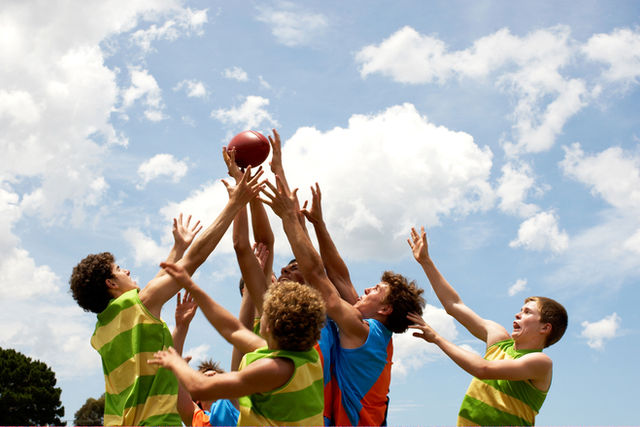
Understanding the Importance of Warming Up
We have all heard the term “warm up” before exercise. However, the question still remains… WHY? Warming up refers to preparing your body and musculoskeletal system prior to completing exercise. There have been many debates regarding its purpose, usefulness, and methods. Often, this leads to analysis paralysis, where individuals overthink rather than take logical action.

If you play or coach sports like AFL, soccer, basketball, netball, or participate in gym-based exercises, keep reading.
Why Do We Warm Up?
Warming up serves multiple crucial functions. It prepares the neuromuscular system — enabling your nerves and muscles to start “firing” and opening up the small channels in muscle fibres so nerve signals pass through easily. It creates a thermal reaction by increasing blood supply and raising muscle temperature, which is essential before any planned activity. It also mentally prepares athletes: practicing a sports-specific warm-up — whether it’s leg swings in footy, stop-pivot drills in netball, or a light walk before a leg day at the gym — gets you ready for what’s coming.
Does Warming Up Prevent Injuries?
This topic is often debated. It is hard to quantify whether warming up alone reduces injury risk. However, a warm-up does allow athletes to assess their readiness for the planned exercise. For instance, a footballer on the sidelines might be seen running and stopping so the medical team can evaluate their ability to tolerate activity. This warm-up process is sports-specific, ensuring athletes can perform in a controlled environment before risking injury during play. Additionally, the stop-start drill can enhance a player’s confidence, allowing them to trust that their body is strong, which can reduce perceived pain.
How Do I Warm Up?
Warm-up routines vary among athletes. Typically, a warm-up includes:
- General Activity: Skipping, cycling, walking, or jogging. Choose an activity that raises your heart rate and body temperature without reaching maximal effort — about 50% effort is usually suitable.
- Ludic Warm-Up: Fun activities during your warm-up — for example, soccer players dribbling balls, practicing kicks at goals, or doing leg swings and arm circles.
- Sport-Specific Activity: Exercises related to your sport — pivot drills, kicking drills, tackling drills, or sparring (for boxing) that build the motor and coordination skills necessary for your upcoming activity.
- Physical Conditioning: Strength development and flexibility training. Exercises like squats, lunges, and bridges fall under this category.
How Long Should I Warm Up?
The goal of warming up is never to fatigue the muscles. As a rule of thumb, athletes should be able to converse easily after the warm-up, without experiencing any cramping or pain, and feel prepared for drills. For most activities, 10–20 minutes is appropriate, depending on the age and fitness level of the participants.
Need Help with Your Warm-Up?
If you’re unsure how to approach your warm-up, don’t hesitate to reach out. We have templates and resources available to help. For sports-specific needs, consider booking a session with one of our osteopaths.
For more information, see research related to this article: PMC10798919.

Leave a Reply