Osgood-Schlatter Disease (OSD) — also referred to as tibial tubercle apophysitis — is one of the most frequent causes of anterior knee pain in growing, active adolescents. It’s a self-limiting, overuse injury that, while benign, can significantly impact sports participation, function, and overall quality of life during key developmental years.

What Is Osgood-Schlatter Disease?
OSD is a traction injury that affects the tibial tuberosity, where the patellar tendon inserts into the growing bone. During adolescence, rapid skeletal growth can outpace the adaptability of muscle-tendon units, especially in high-demand activities like running, jumping, and squatting. Essentially, the bone grows faster than the muscle supporting it.
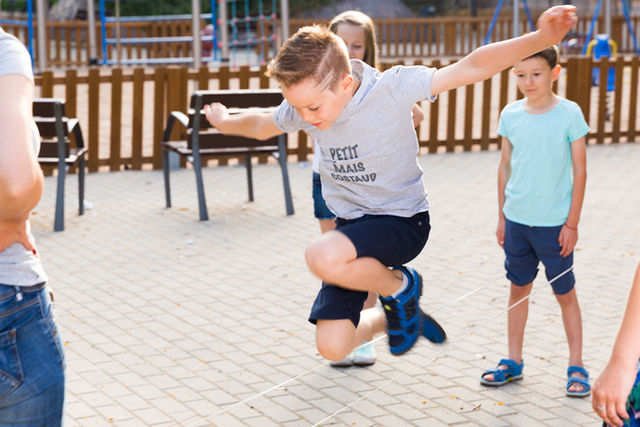
Commonly affected sports include basketball and netball, volleyball, football (particularly AFL on hard grounds), running and athletics events, and gymnastics. These repetitive, high-impact activities place mechanical stress on the knee’s extensor mechanism, leading to microtrauma and inflammation at the tibial apophysis.
Predisposing Biomechanical Factors
- Tight quadriceps or hamstrings
- Poor pelvic alignment or posture
- Muscle imbalances in the lower limb
- Rapid growth spurts
- Improper training load progression
These are all areas where osteopathic treatment can play a proactive role in reducing risk and improving resilience.
Symptoms
Young athletes (typically ages 10–15) may present with:
- Gradual onset of pain localised to the tibial tuberosity (the bump just below the kneecap)
- Pain worsened by activity, improved with rest
- Swelling or bony prominence below the kneecap
- Pain on resisted knee extension or passive knee flexion
- Difficulty kneeling, jumping, or squatting
In 20–30% of cases, the condition may be bilateral.
Diagnosis
OSD is a clinical diagnosis, supported by history and physical examination. Imaging (X-ray) is reserved for atypical cases, severe pain, or when ruling out serious pathologies such as fracture, infection, or kneecap deformity. X-ray findings should always be interpreted in a clinical context, as imaging doesn’t always match the clinical picture. Where we have concerns, we may refer back to your GP or a Sports Medical doctor for further imaging.
Management Strategies
The goal of treatment is pain management and functional recovery, with an emphasis on maintaining safe levels of activity rather than complete rest.
First-line treatment includes:
- Activity modification (not stopping)
- Ice therapy post-activity
- Topical anti-inflammatories for short-term pain relief
- Patellar tendon taping or protective knee padding if needed
- Stretching tight musculature (especially hamstrings and quadriceps)
- Functional strengthening of the kinetic chain (hip, knee, and ankle)
The Role of Osteopathy
Osteopathic treatment can help address contributing biomechanical dysfunctions by addressing muscle imbalances, improving joint mobility in hips, knees, and ankles, enhancing postural alignment and gait mechanics, advising on footwear and gel inserts, and providing patient education on load management and recovery. In persistent cases, referral for podiatry, physiotherapy, exercise physiology, or sports medical review may be indicated.
Prognosis and Long-Term Outlook
Most adolescents recover fully as the tibial tuberosity ossifies and fuses — usually by age 16–18. However, symptoms may persist for up to two years and, in about 10% of cases, into adulthood if poorly managed. A small residual bump on the tibia is common but typically asymptomatic and does not impact long-term function.
Prevention
- Ensure gradual increases in activity load (no more than 10% per week)
- Encourage proper warm-up and cooldown routines
- Emphasise flexibility and appropriate loading during growth spurts
- Promote multi-sport participation to avoid overuse from a single sport
Osgood-Schlatter Disease is a common challenge for active youth, but with timely, coordinated care, most patients return to full function without long-term issues. Osteopaths can play a pivotal role in recovery and prevention — supporting not just symptomatic relief but also appropriate loading and return to sport.

Leave a Reply